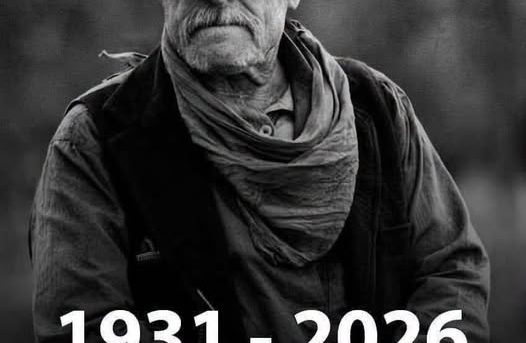
Robert Duvall’s distinction was never simply that he disappeared into a role. He gave each character a private history, visible in the way he waited, listened, or withheld an answer. In The Godfather, Tom Hagen’s composure made power feel quietly dangerous. In Apocalypse Now, Lieutenant Colonel Kilgore’s confidence turned charisma into something chilling. And in Tender Mercies, Mac Sledge’s struggle toward redemption found its force in ordinary gestures rather than grand declarations.
Across decades of performances, Duvall allowed age and experience to deepen what he brought to the screen. His characters could be difficult, wounded, frightening, or tender, sometimes within the same scene. He trusted audiences to notice those contradictions without having them explained. That trust is part of what makes his work endure: returning to a performance often reveals something previously missed. The lasting gift is not a flawless hero, but a human being worth watching closely.