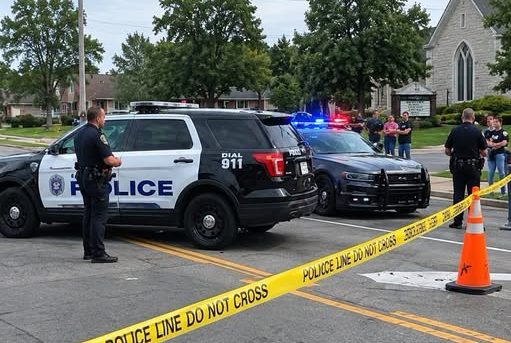
A visible emergency response is evidence of activity, not proof of its cause. Officers redirecting traffic might be managing an accident, an infrastructure failure, or another situation requiring temporary restrictions. Determining which explanation applies takes reliable reporting and confirmation. Timing matters just as much: an older photograph can circulate as breaking news, while a genuine warning may remain online long after restrictions end. Without that context, readers can mistake yesterday’s disruption for today’s immediate danger.
Information can also emerge slowly for legitimate reasons. Authorities may still be establishing facts, protecting evidence, or notifying affected families. Silence alone does not establish a cover-up, and uncertainty should never become permission to invent an explanation. Check dated official updates and credible local coverage before passing along urgent claims. For people deciding whether to travel, avoid an area, or contact loved ones, careful verification is more than good practice—it helps prevent unnecessary fear.