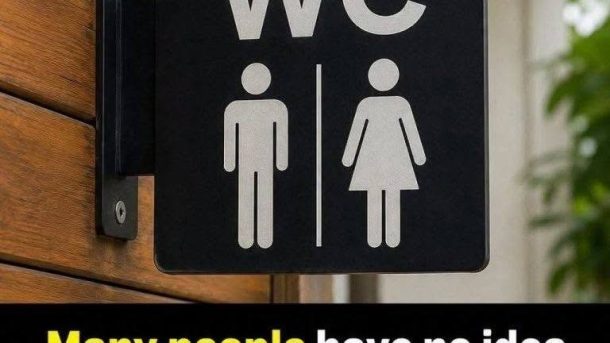
Why Do So Many Places Still Use “WC” Today?
Though the term may sound old-fashioned to modern ears, it remains widely used around the world—particularly in international settings. You will often see WC on signage in:
European countries
Hotels and hostels
European countries
Hotels and hostels
Airports and train stations
Historic buildings and tourist destinations
Its endurance is no accident. “WC” is short, language-neutral, and easily understood across cultures. In a world of diverse tongues, it functions as a quiet universal symbol.
Why Not Just Say “Bathroom”?
Language is regional, and terms for the same space vary widely:
Bathroom: Common in North America; implies a room with both a toilet and a bath or shower
Restroom: Frequently used in U.S. public spaces; emphasizes comfort and privacy
Toilet: Direct and common in the UK, Europe, and many other regions
WC: International, concise, and widely recognized on signage
Each term reflects cultural norms, historical usage, and practical communication needs. None is inherently “correct”—they simply serve different contexts.
A Small Window into Language Evolution
Terms like “Water Closet” illustrate how language shifts over time. What once sounded modern and precise can become historical, yet persist in everyday life through habit, tradition, or utility. This kind of linguistic drift—where words outlive their original context but retain functional value—is a core subject of study in historical linguistics.