Scope

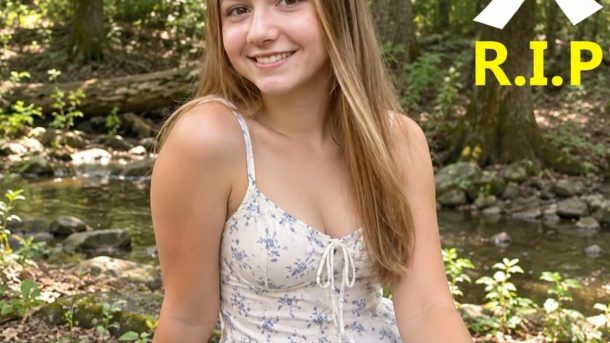
What a tragedy! Rodeo roper Ace Patton Ashford dies at 18

The first scream cut through the quiet pasture like a knife. In seconds, a routine chore became a nightmare no one could stop. An 18-year-old roper, a sick cow, a trusted horse—and then chaos. Ropes snapped tight, hooves pounded, and a community’s brightest hope was dragged into unthinkable horror. Nothing would ever be the sa… Continues…

What happened in those final moments has left the rodeo world stunned, not because Ace Patton Ashford was reckless, but because he was doing everything he’d been raised to do. Helping a sick cow was the kind of quiet, unseen work that defined his life: responsibility before glory, care for animals before personal comfort. When the horse reacted and the rope tightened, there was no time to correct, no second chance to reset a simple mistake.

In the days that followed, arenas fell silent as friends and competitors tried to process the loss of someone they expected to watch for decades. Stories poured out: the kid who stayed late to help load trailers, who cheered for rivals, who treated younger ropers like equals. His death has become a painful reminder that even the most skilled hands cannot fully tame risk, yet his legacy now lives in every cautious loop thrown, every rider who double-checks a knot, and every family that holds their children a little closer before the next rodeo begins.
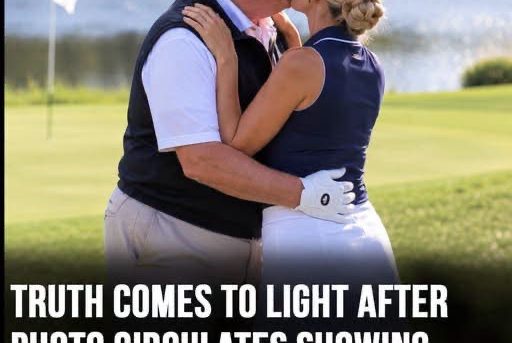
AI-generated photo circulates showing Donald Trump and aide Natalie Harp “kissing on golf course”

The photo looked damning. A president, his glamorous aide, a stolen kiss on a windswept Irish golf course. Within hours, it was everywhere – fueling rumors, wrecking trust, dragging real people into a fake scandal. But the image wasn’t real. It was AI, weaponized. And this is only the beginn… Continues…

The viral “kiss on the golf course” between Donald Trump and White House aide Natalie Harp is a chilling glimpse of how easily reality can be forged. At first glance, the image felt authentic enough to ignite speculation about Trump’s marriage and Harp’s relationship with the president. It spread at lightning speed, shared by people who never paused to question its origin. Only later did analysts and online sleuths point out telltale flaws: Harp’s bizarre six-fingered hand, warped background details, and AI-detection tools flagging the picture as manipulated.

Behind the gossip lies a deeper, more unsettling truth. Harp is a real person, a close adviser, frequently seen with Trump on trips like his recent visit to Ireland.

Yet a fabricated moment, invented by an algorithm, briefly rewrote her story and his. As AI grows more powerful, the cost of believing our eyes may become unbearably high.

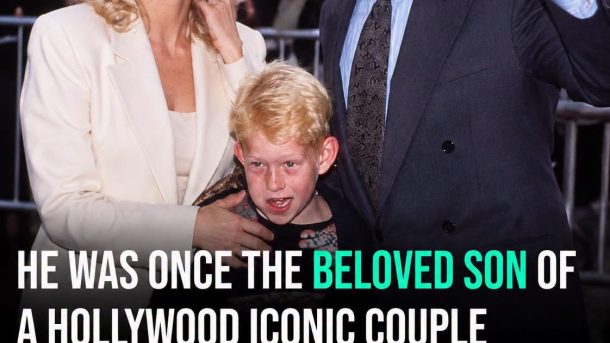
Once beloved Hollywood son, he’s now unrecognizable with horns inked his scalp

Farrah Fawcett died with one word on her lips—and it wasn’t “goodbye.” It was her son’s name. Behind the poster-perfect smile was a mother drowning in fear for a child she could no longer save, yet refused to abandon. Shackles, courtrooms, a hidden inheritance, a last whispered plea—this is the love story Hollywood never sho… Continues…

Farrah Fawcett’s life was framed in glossy television stills, yet her truest role unfolded far from the cameras, in hospital rooms, court corridors, and late-night phone calls about her only child. Redmond’s addiction and mental health struggles tore through the family, exposing the limits of fame, money, and even a mother’s protection. As her own cancer advanced, Farrah’s fear was not of dying, but of leaving him behind in a world where he kept losing his way.

She did what she could with the time she had left: creating a tightly structured trust, surrounding him with people she believed would fight for his recovery, and clinging to the hope that treatment might one day reach him where love alone could not. Years later, as Redmond continues his long, uneven journey through the mental health system and the courts, her final word—“Redmond”—echoes as both a prayer and a promise: that a mother’s love can outlive even the most broken circumstances, and still quietly hold the door open for redemption.

Woman D!es After Containing Bacteria By Eating Alfac…

She thought she was safe. She thought she was doing everything right. Yet the very food she trusted became the weapon that destroyed her from the inside out. What started as a faint fever exploded into organ failure, panic, and a race against time. Her story exposes a chilling truth about “healthy” food we all ignorantly sha… Continues…

She built her life around discipline and prevention, believing that careful choices could outsmart disease and destiny. Her cart was filled with greens, not gimmicks; ingredients, not products. That is what makes her death so unbearable for those left behind: she did not play fast and loose with her health. She followed the rules we are all told to follow—and still paid the ultimate price.

In the aftermath, investigators and loved ones are left asking the same haunting question: how could something so small, so ordinary, be so lethal? The answer lies in the invisible gap between what looks wholesome and what is truly safe. Her story does not condemn vegetables, organics, or clean eating; it exposes our blind faith. It urges us to demand transparency, respect microbial risk, and remember that “natural” is not a synonym for harmless.

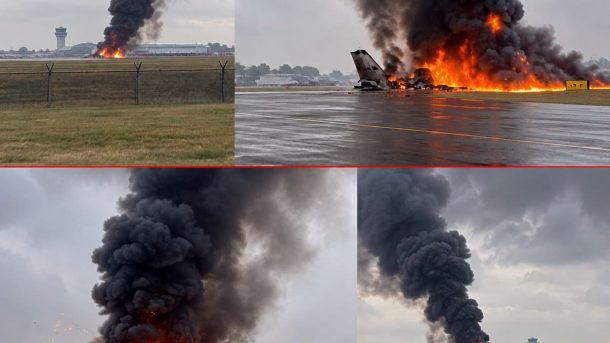
A Devastating Commercial Aviation Disaster Leaves More Than 244 Passengers Feared Dead As Rescue Crews Battle Flame And Time!!!

The sky didn’t just break. It screamed.
A packed passenger jet, 244 souls trapped inside, vanished into fire and twisted metal before anyone could even whisper goodbye. Families are clawing for answers, rescue teams are racing a cruel clock, and officials already fear the worst. Rumors, theories, and raw grief are spiraling out of con… Continues…

In the hours after the crash, the chaos hardened into something heavier: a stunned, suffocating silence. Makeshift waiting rooms filled with relatives who had memorized flight numbers now stared at doors that never opened. Some clutched phones that would never ring again, others scrolled endlessly for updates that brought only fragments of horror and no trace of hope. Outside, the glow of the burning wreckage stained the sky long after the flames began to fade.

Investigators will eventually map every second of the plane’s final descent, turning terror into timelines and heartbreak into data. They will name causes and assign blame. Yet for the families, no report can bridge the last unanswered text, the empty seat at the table, the future that disappeared in a single violent instant. Long after the world moves on, they will still be living in the pause between “We’ve taken off” and the goodbye that never came.

What’s In Supermarket Meat

The meat aisle is lying to you. It looks safe, clean, reassuring. It feels like a place where you’re doing right by your family. But behind the bright reds and tidy rows, there’s a quieter truth: water where there should be protein, marketing where there should be honesty. You think you’re buying pure, real meat. Instead, you might be paying extra for salt, fillers, and clever illusions. The labels soothe. The colors persuade. The story you’re sold is not always the one you’re eat… Continues…

Beneath the supermarket lighting, the difference between real value and manufactured appeal often comes down to details most people never check. A package boasting “premium” or “natural” may still hide added brine, preservatives, or binders that inflate weight and alter nutrition. Bright, uniform color can be engineered through packaging and controlled gases rather than genuine freshness. What appears generous and wholesome can, in reality, be carefully staged.

Yet the power to cut through that illusion sits quietly in your hands. Turning the package over, reading the ingredient list, and comparing sodium levels exposes what the front label tries to soften or distract from. Choosing simpler cuts with no added ingredients, seeking out a butcher who will explain sourcing, and asking direct questions all send a message: appearance is not enough. Each small, informed decision pulls the industry a little closer to honesty—and your dinner plate closer to what you truly intended to serve.

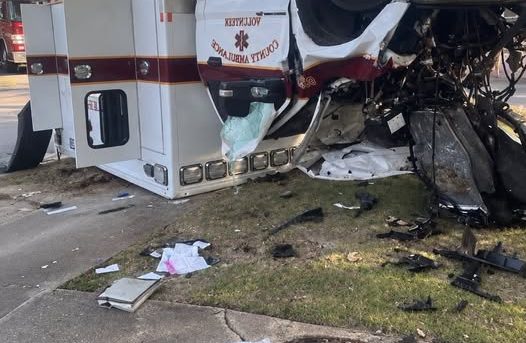
9 injured, including newborn child, in ambulance rollover crash…See more

The sirens were supposed to mean safety. Instead, they ended in screams. A newborn’s ambulance ride turned into a nightmare as the vehicle flipped on a crowded highway, injuring everyone inside. Panic. Metal twisting. Lives hanging by a thread. Officials say they know part of the story—but the real question is what went wrong in tho… Continues…

The ambulance was racing toward the hospital, its mission clear: protect a fragile new life. Inside were the infant, two nurses, the driver, and other passengers, all focused on reaching care in time. In seconds, that purpose was shattered. The vehicle lost control, rolled several times, and came to rest on its side, leaving a trail of glass, debris, and stunned onlookers.

Paramedics and firefighters fought darkness, sirens, and chaos to pull survivors from the wreckage. The newborn and two nurses were rushed to the hospital in stable condition, while others suffered more serious injuries but are expected to recover. Investigators now sift through black box data and dashcam footage, weighing slick roads and possible speeding. For the community, the crash is a painful reminder: even those who race to save us are never fully safe themselves, yet they keep answering the call.

BREAKING: Country Music Star Injured in Tour Bus Crash

The rumor spread faster than any chart-topping single. One late-night “tour bus crash” post, and suddenly fans were bracing for the worst. Fear, confusion, and frantic searching collided in real time. People weren’t just worried about a country star—they were terrified for the human being behind the mic, until the sto…

Continues…

What unfolded around the unverified story of Lainey Wilson’s alleged tour bus crash said as much about us as it did about life on the road. Even without confirmation, fans rushed to send prayers, artwork, and acoustic covers, clinging to the hope that everyone was safe. Behind the noise was a simple truth: most people weren’t chasing gossip; they were reaching for connection and reassurance.

The scenario—fictional or not—threw a harsh spotlight on how fragile touring life really is. Long drives, exhausted crews, unpredictable weather: none of it cares about fame, ticket sales, or award shows. It also exposed how quickly rumors can turn risk into spectacle if we’re not careful. In the end, the most important takeaway isn’t the drama of a crash, but the reminder that every headline hides real lives, and that safety, rest, and honesty matter more than any encore.

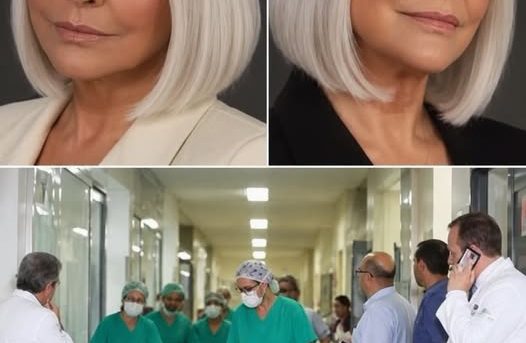
Elderly woman was hospitalized after being penetrated…See more

A quiet evening shattered in seconds. A young woman, brutally assaulted and rushed to the hospital, now fights to rebuild her life as a community holds its breath. Police are racing against time, combing through footage, chasing whispers, and guarding her identity. Fear is spreading, questions are multiplying, and the truth is still dan… Continues…

The attack has become a painful mirror for the community, forcing residents to confront both fear and responsibility. While the young woman recovers under the careful watch of doctors and trauma specialists, her story is already reshaping conversations about safety, support, and justice. Counselors and advocacy groups are stepping in, offering a lifeline not only to her, but to anyone reliving their own buried scars.

Behind the scenes, detectives work methodically, piecing together fragments of video, hesitant witness accounts, and late-night tips. Authorities insist that every detail matters, urging residents to speak up, however small their information may seem. Community leaders are calling this a turning point: a moment to refuse silence, to protect one another, and to ensure that what happened to one woman does not become anyone else’s tomorrow.

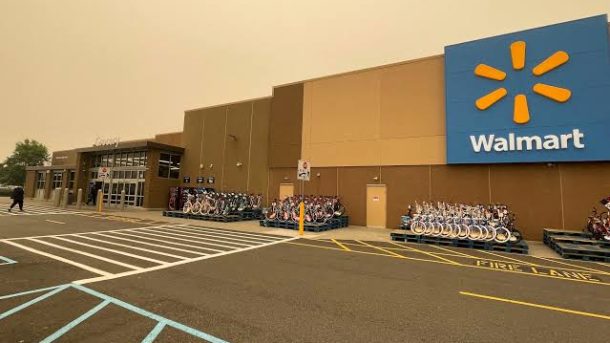
Walmart Confirms Closures at Certain Locations

When a familiar store goes dark, something breaks inside a neighborhood. People don’t just lose a place to shop; they lose a daily anchor, a sense of safety, a small piece of dignity. The closures come fast, wrapped in corporate language, but the fallout is personal, messy, and long-lasting. In cities already stretched thin, every darkened window feels like a warn… Continues…

The end of a store is rarely just about profit margins; it is about the quiet architecture of everyday life collapsing without warning. Parents who timed paychecks around sales, workers who built friendships in break rooms, elders who found comfort in familiar greetings—all are forced into sudden reinvention. Some manage to adapt, stitching together new routines from longer commutes and unfamiliar aisles, but the strain leaves scars that rarely show up in quarterly reports.

Communities, too, must decide what story they will tell themselves about the loss. Some organize, demanding investment, transit, or new local options. Others sink into resignation as empty storefronts multiply, symbols of decisions made in distant boardrooms. Yet in the grief, there is a fragile kind of clarity: a reminder that “convenience” was always a lifeline, that stability is political, and that the health of a neighborhood cannot be measured only in sales per square foot.